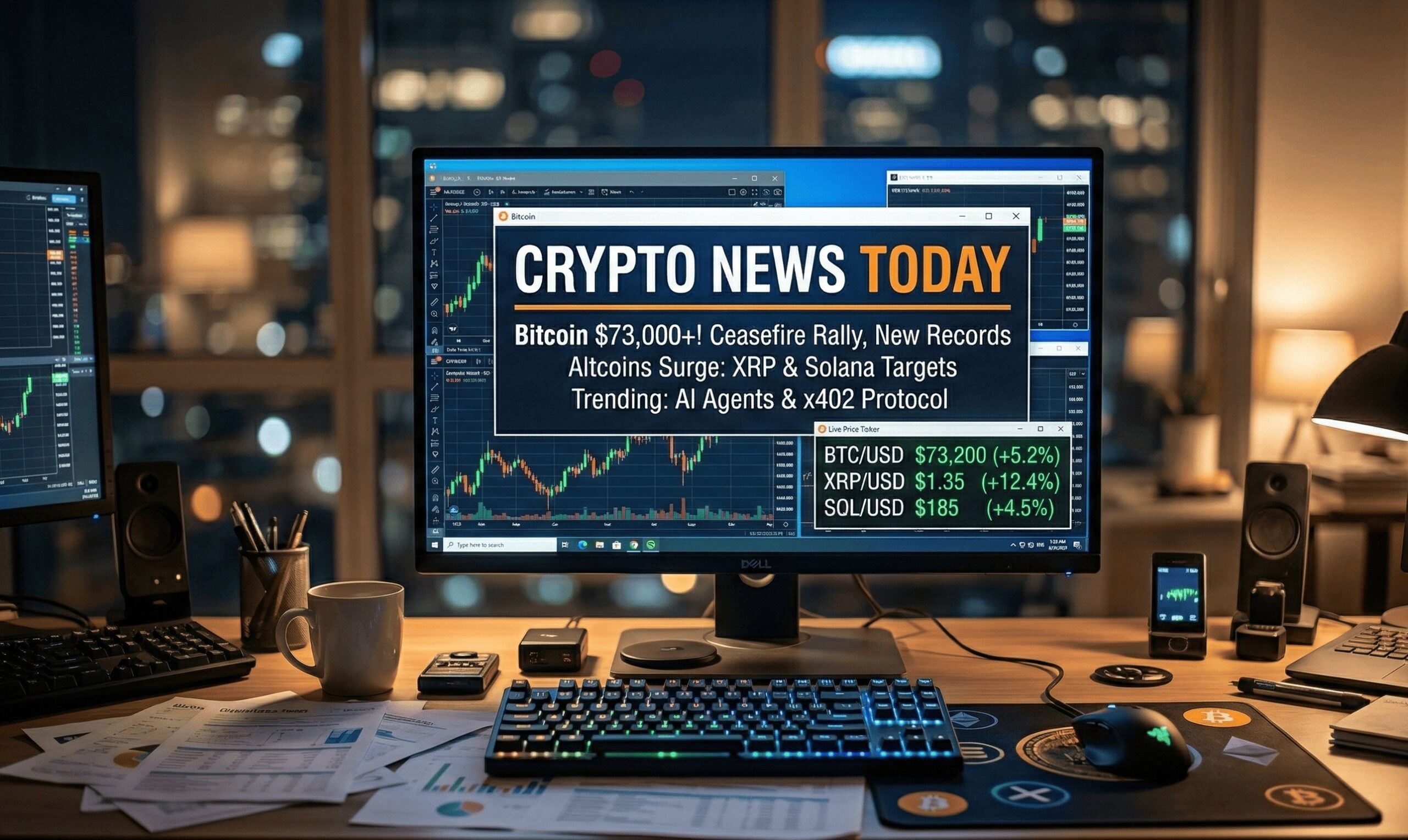
As we move into the second quarter of 2026, the crypto landscape is shifting rapidly. Recent blockchain data shows a record number of institutional investors moving their Bitcoin from public exchanges to private hardware wallets. This “Whale Movement” suggests a long-term holding strategy, significantly reducing the liquid supply on major trading platforms.
For NewsSociety readers, this movement is a major signal that the market might be preparing for a supply shock. While price volatility remains a factor, the underlying blockchain infrastructure is becoming more robust with the integration of new layer-2 scaling solutions. Experts suggest that keeping a close eye on USDT dominance and exchange reserves will be key for traders this month.
The Rise of “Whale” Accumulation
Blockchain analytics reveal that wallets holding more than 1,000 BTC have increased their positions by 12% since January. This trend is a clear signal that the “smart money” is preparing for long-term stability rather than short-term gains. By moving assets to cold storage (offline wallets), these investors are effectively “locking” the supply, which historically precedes a significant price rally.
Security First for NewsSociety Readers
The message for our community is clear: Security is the new profitability. As AI-driven phishing attacks become more sophisticated in 2026, relying on exchange security is no longer enough. Experts recommend using multi-signature hardware wallets to protect your digital assets from emerging cyber threats.
Conclusion
Whether you are a day trader or a long-term HODLer, the shift towards self-custody is a defining moment for this year. This “Whale” behavior indicates a bullish sentiment for the end of 2026. Stay tuned to NewsSociety for more updates on market liquidity and blockchain breakthroughs.
Market analysts predict that if this trend continues, the retail supply on exchanges will hit a 5-year low by December 2026. This could lead to massive price swings, making it a critical time for NewsSociety readers to re-evaluate their security protocols.